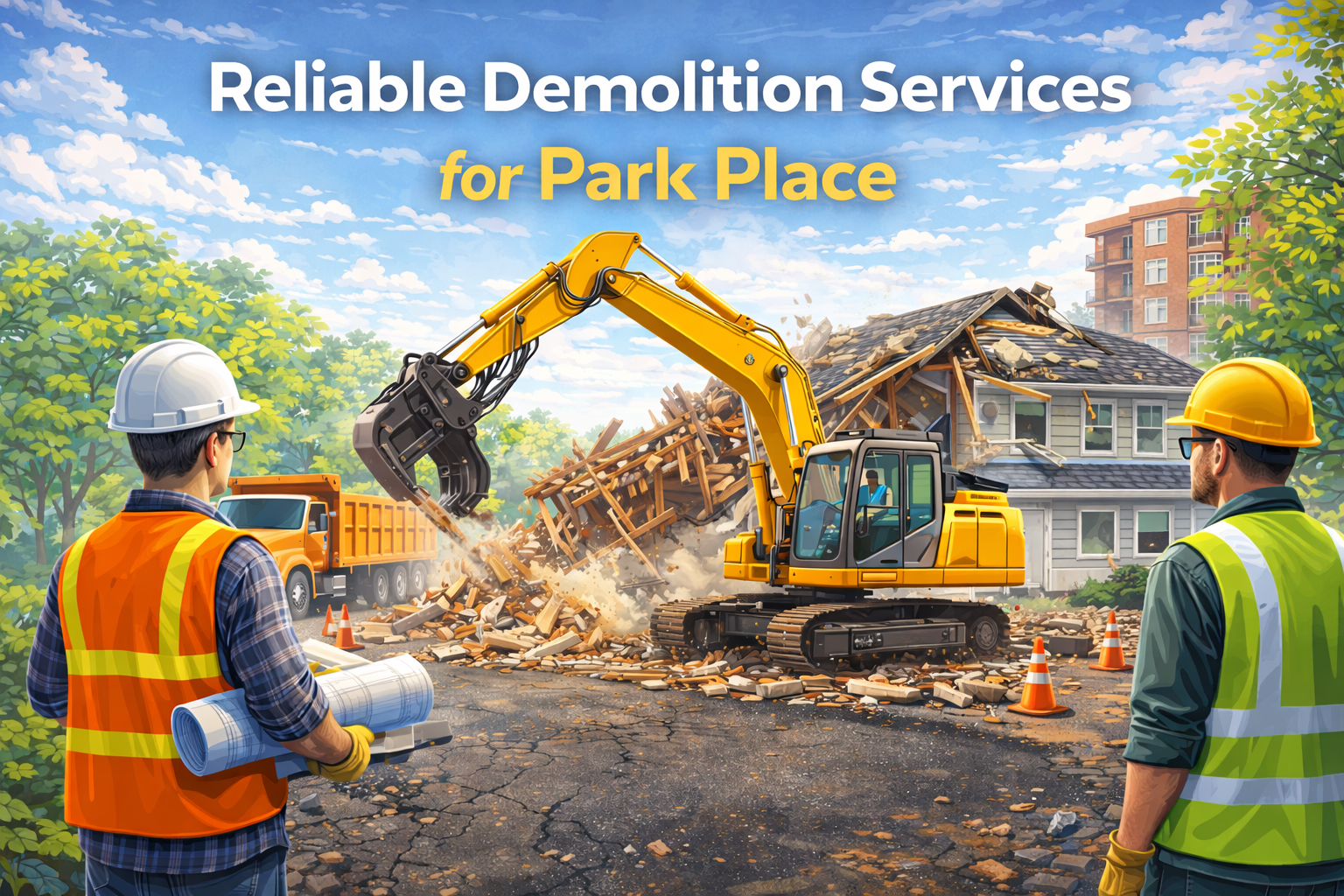
Park Place stands as one of Oregon City’s most established residential communities, where longtime homeowners and newer residents alike take genuine pride in maintaining properties that reflect the neighborhood’s character and history. This welcoming area presents unique demolition challenges when property owners pursue renovation projects, site clearance, or construction preparation—challenges requiring professional expertise that transforms complex, potentially hazardous work into successful project foundations. Whether removing aging structures, clearing sites for modern construction, handling selective interior demolition, or managing outbuilding removal, understanding professional services helps Park Place property owners achieve goals safely, efficiently, and responsibly.
Professional demolition work creates foundations for everything that follows—literally and figuratively. Poor execution creates safety hazards, generates complications for subsequent construction phases, and frequently costs far more through remediation than professional services would have initially. Qualified contractors bring specialized knowledge, appropriate equipment, regulatory compliance expertise, hazardous material management capabilities, and responsible waste handling that protects property owners from costly mistakes while delivering results that advance project objectives efficiently and safely throughout every project stage.
Park Place’s Unique Demolition Landscape
Oregon City’s comprehensive regulatory framework governs demolition activities throughout Park Place with requirements that property owners must navigate carefully. Building permits are required for most significant demolition work, with applications demanding structural documentation, utility disconnection confirmations, hazardous material assessment results, and waste disposal plans. The city’s building department enforces these requirements consistently, with violations generating substantial fines and stop-work orders that delay projects and create legal complications. Professional contractors understand these requirements thoroughly, managing processes protecting property owners from regulatory consequences.
The neighborhood’s established residential density creates significant considerations for demolition project execution. Homes situated close together demand careful attention to debris containment preventing material from affecting adjacent properties. Dust control through water application and barrier systems protects neighbors from airborne particles. Noise management within ordinance requirements respects community quality of life. Equipment staging in limited spaces requires creative planning maximizing efficiency while minimizing property impacts. These considerations require professional planning that amateur approaches consistently overlook until problems create conflicts.
Oregon’s abundant precipitation creates specific challenges for demolition scheduling and site management throughout the year. Rainy season conditions saturate soils complicating equipment operation, increase material weights affecting disposal costs, and create erosion risks requiring active management. Wet demolition debris requires more careful handling and incurs higher disposal fees at facilities charging by weight. Professional contractors understand seasonal timing considerations, scheduling work during favorable conditions when possible while implementing effective wet-weather measures maintaining progress throughout Oregon’s distinctive rainy seasons.
Park Place’s development timeline means properties span several construction eras with different building methods, materials, and characteristics. Understanding era-specific construction practices informs demolition approaches, hazardous material expectations, and salvage opportunities. Older structures may contain valuable materials worth recovering alongside hazardous substances requiring careful management. This historical knowledge allows experienced contractors to plan accurately, provide reliable estimates, and execute efficiently based on realistic expectations rather than discovering surprises mid-project.
Comprehensive Professional Demolition Services
Complete structure demolition serves properties requiring total removal for site clearance or complete rebuilding. This comprehensive service encompasses preliminary utility disconnection coordination with service providers, hazardous material inspection and abatement, systematic structure removal following engineered sequences, foundation removal or preservation based on project requirements, complete debris removal and disposal, and basic site preparation for subsequent construction. Professional execution creates clean, ready sites without the unresolved complications that follow poorly managed demolition projects.
Selective interior demolition transforms existing structures through targeted removal of specific components while preserving architectural integrity, structural systems, and valuable features. Removing outdated kitchens and bathrooms, opening floor plans through wall removal, eliminating deteriorated additions, or clearing commercial interiors for renovation all require precision execution protecting what remains. This demanding work requires contractors who understand structural systems, can identify load-bearing elements, and execute carefully around utilities and finishes that must survive demolition activities intact.
Partial structure demolition addresses scenarios requiring removal of specific building sections—deteriorated additions, unsafe attached garages, problematic upper floors, or damaged wings—while preserving viable primary structures. These challenging projects must maintain structural integrity and weather protection in retained portions while completely removing designated sections. Professional engineers often consult on these projects ensuring removal sequences maintain stability throughout demolition and that retained structures receive appropriate reinforcement where connections are severed.
Outbuilding and accessory structure removal handles the secondary structures that accumulate on residential properties over decades—detached garages containing hazardous materials, aging sheds storing unknown chemicals, deteriorated greenhouses, obsolete carports, and various storage structures. These projects vary considerably in complexity from simple shed removal to multi-structure clearances requiring careful sequencing. Professional services handle all aspects from initial assessments through permit acquisition, execution, debris removal, and final site cleanup.
Concrete and hardscape demolition removes driveways, walkways, patios, retaining walls, decorative concrete, and other hardscape elements requiring replacement or elimination. Appropriate equipment for concrete breaking includes hydraulic breakers, concrete saws, and specialized excavator attachments capable of handling various thickness and reinforcement conditions. Professional contractors recycle concrete whenever feasible, diverting material from landfills while potentially reducing project costs through avoided disposal fees that add up significantly for larger quantities.
Essential Hazardous Material Management
Asbestos management represents the most critical hazardous material concern in Park Place’s older building stock. Buildings constructed before approximately 1980 may contain asbestos in pipe and duct insulation, floor tiles and mastic adhesive, ceiling tiles, textured coatings, roofing materials, siding products, and various other components. Oregon law requires licensed asbestos inspectors to survey structures before demolition proceeds, with certified abatement contractors removing regulated materials before demolition equipment arrives. Professional contractors coordinate this entire process rather than leaving property owners to manage complex regulatory requirements independently.
Lead paint management protects workers and the environment during demolition of pre-1978 residential structures. Oregon’s lead renovation regulations require certified contractors using specific work practices when working with lead-containing materials. Demolition activities disturb lead paint, creating hazardous dust requiring containment, specialized cleanup procedures, and proper disposal at facilities accepting lead-contaminated materials. Professional contractors maintain RRP (Renovation, Repair, and Painting) certifications or coordinate with certified specialists ensuring compliant handling throughout every project phase.
Mold assessment and management becomes necessary when demolition uncovers hidden growth in structures with moisture histories. Oregon’s climate promotes mold development in inadequately ventilated spaces, areas with past water infiltration, and locations with chronic moisture exposure. Professional contractors recognize mold indicators during preliminary assessments and demolition activities, implementing containment measures preventing cross-contamination and coordinating appropriate remediation before demolition proceeds through affected areas, protecting worker health and preventing spore spreading throughout project sites.
Household hazardous materials require identification and separate handling before general demolition proceeds. Older structures often contain mercury in thermostats and older fluorescent fixtures, PCBs in older electrical components, various petroleum products in storage areas, agricultural chemicals in outbuildings, and refrigerants in HVAC equipment. Professional pre-demolition walkthroughs inventory these materials systematically, coordinating appropriate disposal through licensed hazardous waste handlers rather than incorporating them inappropriately into general demolition debris streams.
Rigorous Safety Standards Throughout Every Project
Oregon OSHA regulations governing demolition establish baseline safety requirements that professional contractors implement and exceed as standard practice. Engineering surveys assessing structural stability before demolition begins are mandatory for structures of certain sizes and types. Written demolition plans must address specific hazard categories. Personal protective equipment requirements protect workers from identified hazards throughout activities. Fall protection systems prevent injuries during elevated work. These comprehensive requirements exist because demolition consistently presents significant worker safety risks that proper management prevents.
Pre-demolition structural engineering assessments identify stability risks before equipment and workers engage structures. Oregon requires these assessments for qualifying projects, but professional contractors conduct thorough evaluations regardless of technical requirements. Understanding how specific structures will behave during systematic removal allows contractors to sequence work safely, identify locations requiring temporary shoring, position equipment appropriately, and anticipate instability that could otherwise cause unexpected collapses. This knowledge directly prevents worker injuries and property damage during projects.
Site security prevents unauthorized access that creates serious liability exposure during demolition. Professional contractors establish physical barriers—temporary fencing, barricades, and signage—surrounding active demolition areas. These barriers prevent curious neighbors, children, or trespassers from entering zones where falling debris, unstable structures, and heavy equipment create life-threatening hazards. Securing sites properly demonstrates professional responsibility while protecting property owners from liability for injuries to unauthorized individuals accessing inadequately secured sites.
Dust suppression protects air quality for workers and surrounding residents throughout demolition activities. Water application suppresses airborne particles generated during structure removal, concrete breaking, and material handling. When hazardous materials requiring containment are involved, additional measures including sealed enclosures and negative air pressure systems prevent contaminated particles from reaching surrounding areas. Professional contractors implement dust control as standard practice rather than only responding to complaints after problems develop.
Environmental Stewardship in Modern Demolition
Material recycling and diversion from landfills reflects environmental responsibility that distinguishes professional contractors from operators treating everything as waste. Residential demolition generates wood framing, concrete, masonry, metals, and various other materials with recycling potential. Professional contractors sort demolition debris systematically, directing recoverable materials to appropriate recycling facilities. Concrete gets crushed for reuse as aggregate. Metals get sold to scrap dealers. Clean wood waste gets processed for biomass or mulch. This sorting requires additional effort but reflects genuine environmental commitment.
Oregon’s strong environmental culture creates particular community appreciation for contractors demonstrating genuine recycling commitment in Clackamas County communities like Park Place. When evaluating demolition contractors, ask for specific diversion rates from recent comparable projects, which materials get recycled versus landfilled, and which specific facilities receive various material types. Contractors with genuine recycling commitments provide concrete answers while those making marketing claims without substance struggle to answer specific questions about their actual practices.
Stormwater protection during demolition prevents sediment and contaminant discharge to Oregon’s valued waterways. Disturbed soils on demolition sites generate runoff carrying sediment, residual building materials, and potentially hazardous substances into storm drains and natural waterways. Oregon DEQ regulations require stormwater management plans and control measures on projects disturbing specified areas. Professional contractors implement silt fences, straw wattles, inlet protection, and stabilization measures immediately as disturbance occurs rather than waiting for violations before responding.
Tree and vegetation preservation demonstrates respect for community environmental assets during demolition projects. Oregon City enforces tree protection regulations requiring preservation of significant trees during construction and demolition activities. Professional contractors establish protection zones, install barrier fencing before equipment mobilizes, implement root protection measures during nearby excavation, and monitor tree conditions throughout project duration. This careful approach maintains the mature landscape contributing to Park Place’s residential character while ensuring regulatory compliance.
Strategic Project Planning and Management
Thorough pre-demolition investigation creates foundations for accurate planning and successful execution. Professional contractors conduct comprehensive site assessments evaluating structural conditions, identifying hazardous materials requiring management, locating all utilities both public and private, assessing access constraints and equipment requirements, and evaluating neighboring property considerations. This investigation generates information enabling accurate cost estimation, realistic timeline development, appropriate equipment selection, and execution strategies preventing complications that derail inadequately planned projects.
An experienced Demolition Contractor Park Place manages Oregon City’s permit processes with efficiency developed through regular regulatory interaction. They understand which projects require permits, what documentation each application requires, how to respond to agency questions efficiently, and how to coordinate required inspections at appropriate project stages. This expertise maintains project momentum while ensuring all necessary approvals exist before work proceeds—protecting property owners from violations that create legal complications affecting both current projects and future property transactions.
Community communication demonstrates professional responsibility and builds goodwill supporting project success. Property owners should notify immediate neighbors about project timing, expected duration, potential noise and dust impacts, and contractor contact information for questions or concerns. Professional contractors facilitate this communication and maintain direct availability for neighbor questions throughout projects. This transparency prevents the conflicts that arise when neighbors feel blindsided by unexpected demolition activities affecting their properties and daily lives.
Contingency planning addresses the unexpected discoveries that appear in virtually every demolition project. Hidden utilities not appearing in locates, previously unknown structural reinforcements complicating removal, undisclosed tanks or buried debris, or unanticipated hazardous material extent all require plan adjustments. Professional contractors develop contingency approaches for likely scenarios before work begins, allowing efficient responses when complications appear rather than extended delays while developing responses to unexpected situations mid-project.
Financial Planning and Cost Transparency
Complete structure demolition in Oregon City typically ranges $8-18 per square foot depending on structure characteristics, access conditions, hazardous material presence, and disposal requirements. A typical Park Place residential structure of 1,400 square feet might cost $11,200-25,200 for complete demolition including permits, all debris removal, and basic site grading. These ranges reflect genuine project cost variations—structures with extensive hazardous materials, difficult access, or complex sequencing requirements cost more than straightforward projects with favorable conditions.
Transparent cost itemization protects property owners from budget surprises while facilitating meaningful contractor comparisons. Professional estimates separately detail permit and regulatory fees, hazardous material testing and abatement costs, demolition labor and equipment charges, disposal fees by material type, recycling credits offsetting disposal, and site restoration scope and costs. This itemization allows property owners to understand cost drivers, evaluate proposals meaningfully, and plan budgets accurately rather than discovering actual costs through mounting change orders obscuring initial attractive-appearing bids.
Material value recovery reduces net project costs for informed property owners. Metal salvage from structural steel, copper plumbing, and aluminum creates scrap credits offsetting disposal expenses. Concrete recycling eliminates disposal fees that add substantially to project totals for larger structures. Architectural and material salvage from older structures—vintage hardware, original fixtures, old-growth lumber with superior grain and density—sometimes provides meaningful additional value through salvage markets. Professional contractors identify recovery opportunities systematically rather than treating all demolition materials as equivalent waste.
Quality versus cost tradeoffs deserve careful consideration when evaluating contractor proposals. Significantly lower bids compared to competitive alternatives often reflect absent insurance coverage, unlicensed operations, inadequate hazardous material management, or disposal shortcuts. These apparent savings evaporate quickly when permit violations require remediation, improper asbestos handling creates environmental liability, utility strikes cause injuries and service restoration expenses, or neighboring property damage generates legal claims. Evaluating total project risk rather than simply initial bid amounts leads to better contractor selection decisions.
Selecting Qualified Professional Contractors
Oregon Construction Contractors Board verification provides essential contractor evaluation foundation. Oregon requires demolition contractors to maintain active CCB licenses with records accessible through the board’s online verification system. License checks reveal current status, license type, expiration dates, and complaint history. Disciplinary actions or patterns of unresolved complaints indicate contractors to avoid regardless of attractive pricing. This straightforward verification step eliminates numerous unqualified operators before investing time in detailed proposal evaluation.
Comprehensive insurance coverage protects property owners from substantial liability inherent in demolition operations. General liability insurance should provide adequate limits covering property damage and bodily injury from demolition activities. Workers compensation coverage protects property owners from liability for worker injuries occurring during projects on their property. Pollution liability coverage addresses environmental claims from hazardous material handling incidents. Request certificates documenting all coverage, verify limits adequacy for your project, and confirm coverage directly with carriers rather than relying solely on contractor-provided documentation.
Relevant project experience demonstrates capability handling your specific requirements. Request references for projects comparable to yours in scope, structure type, hazardous material complexity, and access conditions. Contact those references directly asking specific questions about timeline performance, communication quality, unexpected cost management, problem handling, and whether they would hire the contractor again without hesitation. Multiple positive references from comparable projects provide far more reliable contractor evaluation than any marketing materials, website presentations, or verbal assurances.
Written proposal comprehensiveness reveals contractor professionalism and thoroughness. Complete proposals specify all work included, what falls outside scope, permit management responsibilities, hazardous material assessment and handling approach, recycling and disposal methods, site restoration extent and limitations, project timeline with key milestones, payment terms and schedule, and warranty provisions for work quality. Comprehensive proposals indicate contractors who have thoroughly considered your project while creating clear shared understanding preventing disputes that arise from assumption gaps in vague proposals.
Your Park Place property deserves demolition services combining technical expertise, genuine safety commitment, environmental responsibility, and professional project management that creates successful foundations for whatever your property becomes next.
Frequently Asked Questions
How far in advance should I schedule demolition services? Scheduling 4-8 weeks ahead allows adequate time for permit acquisition, hazardous material testing, abatement scheduling if required, and equipment availability confirmation. Rush projects are sometimes possible but may limit contractor options and complicate permit processing. Early engagement with professional contractors allows thorough planning that prevents complications arising from rushed preparation.
Who is responsible for utility disconnections before demolition? Property owners are ultimately responsible for ensuring utilities are disconnected before demolition proceeds, though professional contractors typically coordinate this process. Contractors contact utility companies for formal service termination, coordinate meter removal, and verify disconnection before work begins. Private lines from meters to structures may require separate disconnection coordination with licensed plumbers and electricians.
What should I do with personal belongings before demolition? Remove all personal belongings, furniture, appliances, and items you wish to keep before demolition begins. Contractors are not responsible for items left in structures scheduled for demolition. Consider donating usable furniture and appliances to organizations accepting used goods. Allow adequate time for thorough removal—rushing this process often results in inadvertent loss of items that could have been saved or donated.
Can partial demolition affect my home’s insurance coverage? Partial structure demolition or significant modifications may affect homeowner’s insurance coverage. Contact your insurance provider before beginning work to understand potential coverage impacts, requirements for maintaining coverage during construction periods, and any notifications required for partial demolition or major renovation projects. Documentation of professional permits and contractor qualifications may be required for coverage maintenance.
How do contractors handle unexpected underground utilities? Professional contractors contact Oregon’s utility notification service before excavation, but private utilities and abandoned lines sometimes appear unexpectedly. When unidentified utilities are discovered, professional contractors stop work immediately, carefully expose the utility to identify it, contact appropriate utility owners, and adjust work plans protecting the discovered infrastructure. This systematic response prevents the dangerous accidents that occur when excavation proceeds blindly through unknown underground obstacles.