PAR Drive Thru Solutions and Fingerprint Devices: A 2026 Look
Restaurants and offices both want faster, more accurate operations. Two very different technologies help: lane systems for quick-service kitchens and biometric readers for staff attendance. This article explains PAR Drive Thru solutions, then looks at how fingerprint hardware is priced and chosen in Pakistan, so owners can plan both purchases with confidence.
Part One: Understanding Modern Drive-Thru Technology
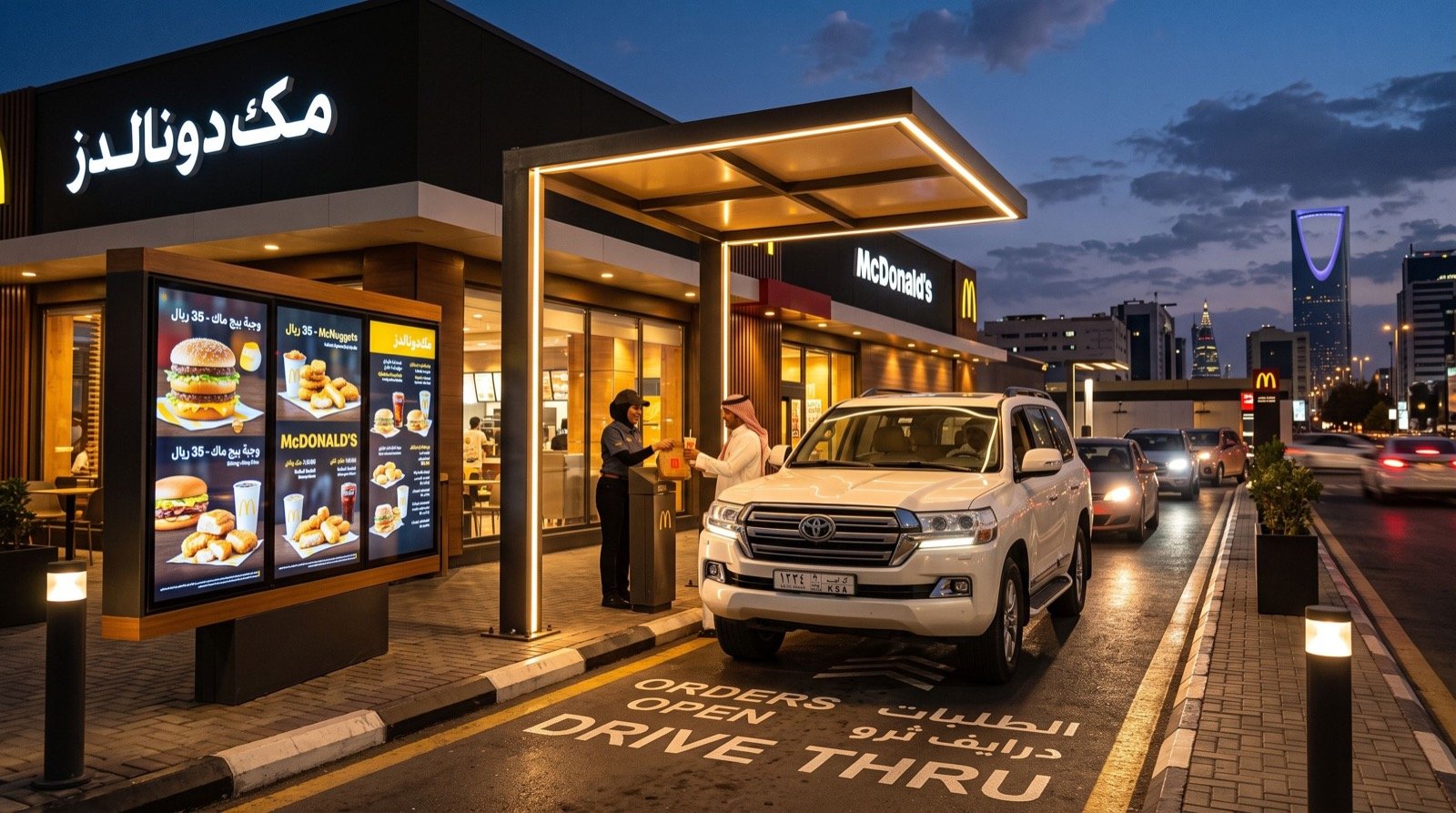
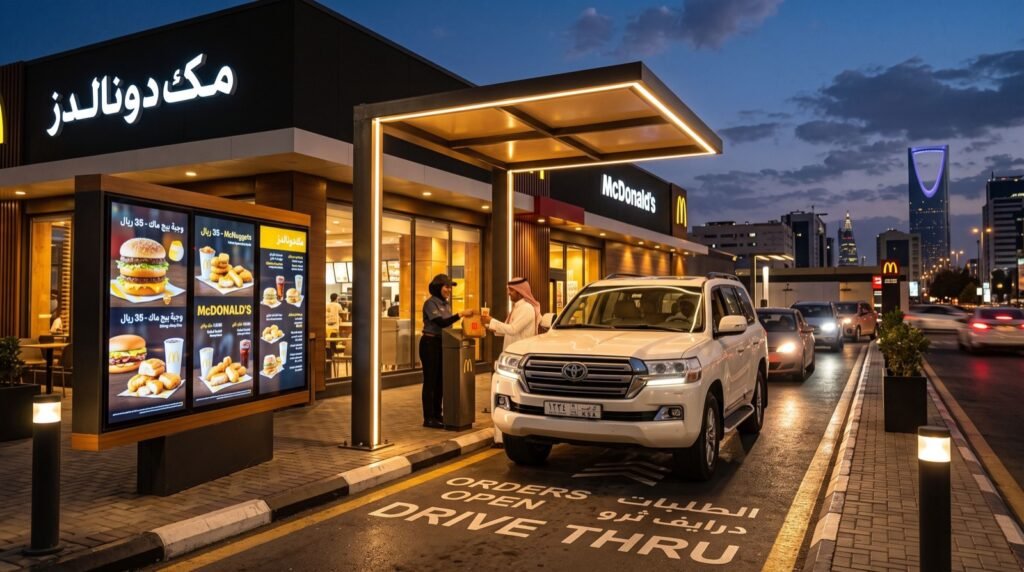
A drive-thru is a small factory on wheels. Cars arrive, orders are taken, food is assembled and payment is collected, all in a few minutes. Any delay compounds, because the line behind keeps growing. Technology aims to remove guesswork from each step.
What do PAR systems typically include?
PAR is a long-established name in restaurant technology, known for point-of-sale and drive-thru platforms. Their lane offerings generally cover several layers:
- Headsets and base stations for clear crew communication
- Vehicle detection and lane timers
- Menu boards and order confirmation displays
- Reporting dashboards for speed and accuracy
- Integration with kitchen screens and point-of-sale
You can browse the manufacturer’s background and product families on the official PAR Technology website.
Why Do Lane Timers Matter So Much?
Managers often believe their lane is fast because it feels busy. A timer replaces feelings with facts. It shows the gap between the car arriving at the menu board and leaving the pickup window, and it breaks that gap into stages.
With numbers on the wall, teams can set daily goals. Over a few weeks, patterns appear. Perhaps lunch is fine but late-night service lags because only one cook is on shift.
Choosing a Lane Setup: A Simple Table
| Business size | Suggested focus | Priority purchase |
|---|---|---|
| Single-site cafe | Clear audio and basic timing | Headsets and one timer |
| Growing local chain | Consistent reports across sites | Cloud dashboard and POS link |
| Large franchise group | Standards and benchmarking | Full platform with menu boards |
Start small if cash is tight. A good headset system plus a stopwatch routine can deliver real improvement before you invest in a full platform.
Part Two: Fingerprint Attendance in Pakistan
Back-office efficiency matters as much as the front counter. Many Pakistani restaurants, factories and schools use biometric readers to record staff arrival and departure. This stops buddy punching and removes manual register errors, which speeds up payroll.
How Much Do Finger Scanner Devices Cost in Pakistan?
Buyers frequently search for Finger scanner devices prices in pakistan before deciding. Prices vary by type, brand and features, and they change with exchange rates, so always request a current quotation. Instead of memorising numbers, understand what drives cost.
Factors that change the price
- Purpose. A USB enrolment reader costs far less than a wall-mounted terminal with a display.
- Sensor quality. Optical sensors differ in durability and recognition speed.
- Connectivity. Ethernet, Wi-Fi or USB options add flexibility.
- Software. Some devices bundle attendance software, while others need a separate licence.
- Warranty and support. Local after-sales service is worth paying extra for.
Two main device types
- USB fingerprint readers. Plug into a computer for registration, login or payroll tasks.
- Standalone attendance terminals. Mount on a wall and store records internally or send them to a server.
For identity-related context in Pakistan, the national registration body publishes information at nadra.gov.pk, which shows how widely biometric verification is already accepted in the country.
What Should You Check Before Buying a Fingerprint Reader?
Use this checklist during supplier calls:
- Does it work with your computer’s operating system?
- Are drivers and software included and updated?
- How many users and records can it store?
- Can it handle dry or worn fingers, which are common among kitchen and factory staff?
- What warranty applies, and where is service available?
A practical tip: ask to test enrolment with a sample of your actual staff. Workers who handle flour, detergent or cold water often have fingerprints that scan poorly on cheap sensors, and a trial reveals this before you commit.
Connecting Both Worlds: One Operations Plan
A drive-thru restaurant benefits from both technologies. Lane timers improve guest service, while attendance readers control labour cost. Together, they allow managers to compare staff hours with cars served and adjust rosters.
For instance, if Thursday evening shows a long average wait and the attendance log reveals two late arrivals, the cause is obvious. Without both datasets, the owner might blame the kitchen layout instead.
Data Privacy and Staff Trust
Biometric templates are sensitive information. Choose devices that store a mathematical template rather than a raw fingerprint image, and limit who can export records. Tell employees in writing what is stored, why, and for how long.
Openness builds acceptance. Teams that understand the purpose usually adopt the reader within a week, while teams kept in the dark often look for workarounds.
Simple policy points to include
- Who owns and can access attendance data
- How long records are retained
- What happens when a finger cannot be read
- How departing employees are removed from the system
Implementation Roadmap
- Define two or three goals, such as lower wait time and accurate payroll.
- Collect baseline data for two weeks.
- Shortlist suppliers and request itemised quotes.
- Pilot at one site and gather staff feedback.
- Train managers to read reports weekly.
- Roll out to other sites and review quarterly.
Expect some resistance at first. Explain that attendance records protect honest workers from disputes, and that lane data exists to fix processes rather than blame individuals.
Local Support and Moving Premises
If you are relocating a branch, hardware must move with it. Plan the new wiring, network ports and power backup before moving day. For an example of how careful planning helps tenants settle into new areas, see this 2026 guide from quality service providers, which covers relocation logistics.
Frequently Asked Questions
Can a small restaurant afford drive-thru technology?
Yes. Start with headsets and manual timing, then add reporting once volumes justify it.
Are fingerprint devices reliable for kitchen staff?
Quality sensors cope well, though very worn fingers may need re-enrolment or an alternative such as a card.
Do attendance devices work during power cuts?
Many terminals include a battery or can be paired with a small UPS, which is strongly recommended in Pakistan.
How often should I review lane and attendance data?
Weekly reviews catch problems early, and a monthly summary helps with planning and budgets.
Conclusion
PAR Drive Thru solutions help restaurants control service speed, while fingerprint readers keep staff records honest. Understanding what drives device pricing lets you negotiate better and avoid paying for features you never use. Make a short list this week, ask for demonstrations and begin with a single-site pilot in 2026.