Heavy Duty Garbage Bags for Dog Waste: The 2026 Buyer’s Guide
Choosing the right heavy duty garbage bags for dog waste sounds simple until the first bag splits in your driveway. In 2026, pet parents are picking thicker, leak-proof options that hold up to sharp gravel, hot pavement, and multi-dog households. This guide walks through mil thickness, material, sizing, and disposal so you never carry a torn bag again.
Whether you manage a single backyard or a full kennel, the goal is the same: contain odor, resist punctures, and make cleanup fast. Let’s break down what actually matters before you spend another dollar.
Why Heavy Duty Garbage Bags Beat Standard Bags
Standard kitchen bags are built for lightweight, dry trash. Dog waste is wet, heavy, and often mixed with yard debris that can slice thin plastic. A heavy duty bag uses a higher mil rating and reinforced seams to survive that abuse.
Three problems that thin bags cause every week:
- Blowouts: The bottom seam gives way under weight, dumping the contents.
- Punctures: Sticks, bones, and gravel pierce the wall and leak.
- Odor bleed: Thin film lets smell escape before the bag reaches the bin.
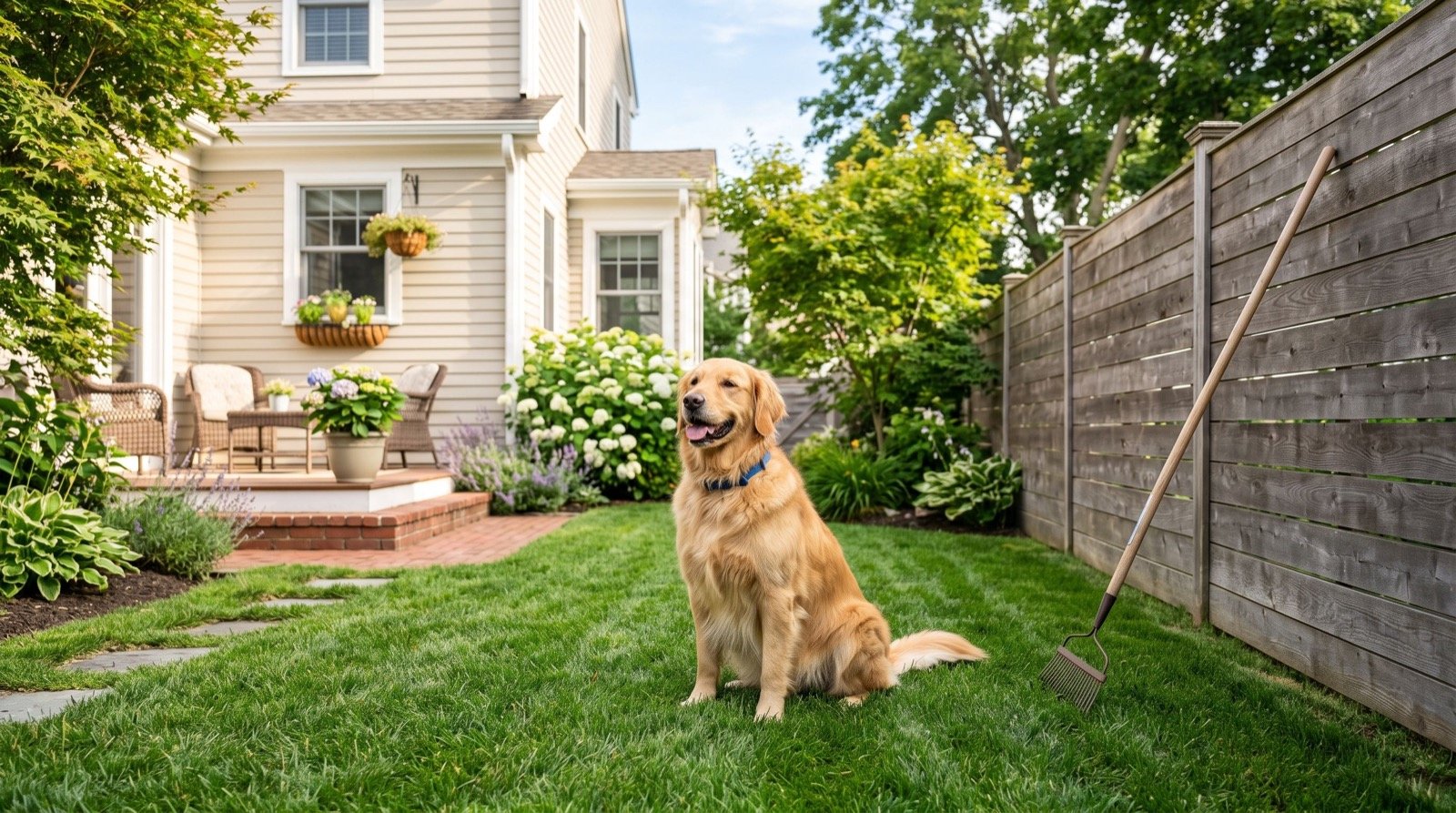
A quality heavy duty bag solves all three at once. Many owners pair it with a long-handled scooper so hands stay clean and knees stay off the ground.
Understanding Mil Thickness and Material
“Mil” measures plastic thickness in thousandths of an inch. For dog waste, aim for at least 1.5 mil for daily pickup and 2.0 mil or higher for large breeds or weekly bulk cleanup.
Material matters too. Low-density polyethylene (LDPE) stretches without tearing, which is ideal for irregular loads. High-density (HDPE) is stiffer and better for lining bins. According to the U.S. Environmental Protection Agency, choosing the right bag size reduces plastic waste because you stop double-bagging failures.
Quick Comparison Table
| Bag Type | Mil Thickness | Best For | Puncture Resistance |
|---|---|---|---|
| Standard kitchen | 0.7–0.9 mil | Dry trash only | Low |
| Contractor light | 1.5 mil | Single dog daily | Medium |
| Heavy duty | 2.0–3.0 mil | Multi-dog / yard cleanup | High |
| Industrial | 3.0+ mil | Kennels & parks | Very high |
Sizing Your Bags Correctly
Bag capacity is measured in gallons, but for dog waste the fill weight matters more than volume. A 13-gallon bag rated for 20 pounds is plenty for a single-dog household. Larger properties benefit from 33-gallon or 42-gallon heavy duty garbage bags that let you consolidate a full week without changing liners constantly.
A practical tip from years of cleanup: never fill a bag past 75 percent. The extra headroom lets you tie a secure knot and prevents the pressure that causes seam blowouts. Overstuffing is the single most common cause of a torn bag.
Pairing Bags With the Right Scooper
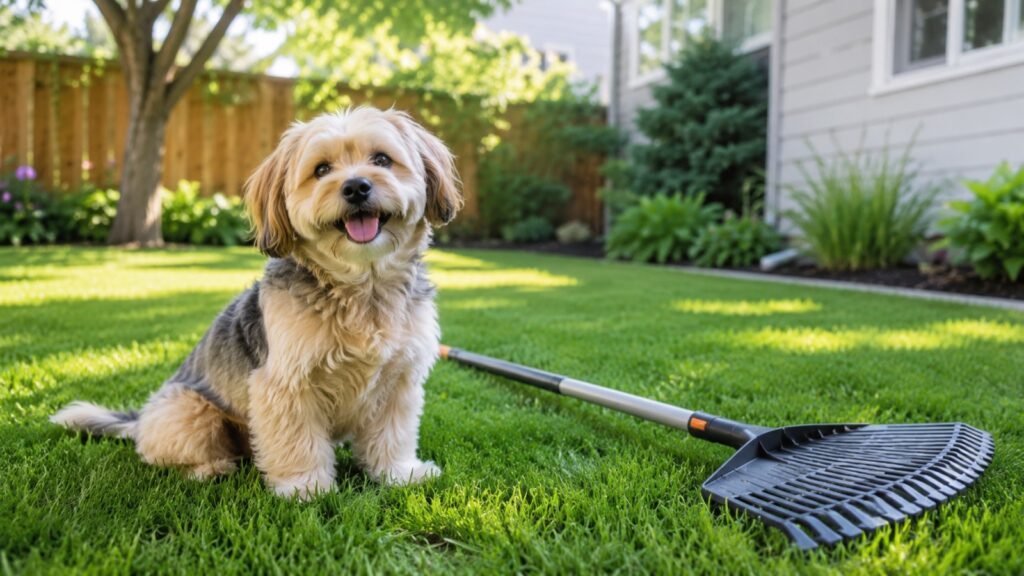
Bags are only half the system. The pickup tool determines how fast and how clean the job goes. A rake-and-pan combo works on grass, while a jaw-style scooper grabs waste on concrete and gravel without bending.
The most convenient setup ties directly into the bag. A Dog poop Scooper with Bag Attached lets you scoop and seal in one motion, so waste never touches the tool or your hands. For busy owners, that single feature saves several minutes per session and eliminates the worst part of the chore.
Cleanup Workflow That Works
- Walk the yard in a grid pattern so you never miss a corner.
- Scoop directly into the attached bag as you go.
- Tie off before the bag reaches 75 percent capacity.
- Double-check seams on hot days when plastic weakens.
- Store filled bags in a lidded outdoor bin until pickup day.
Odor Control and Responsible Disposal
Odor is bacterial, not just chemical, so sealing quickly is your best defense. Heavy duty bags with a thicker wall trap smell far longer than thin liners. Some owners add a scoop of baking soda to the bin between changes for extra control.
Dispose of sealed bags in your regular trash unless your municipality offers a pet-waste composting program. Never flush dog waste or toss bags in storm drains. For yard-scale operations, many homeowners hire quality service providers to handle weekly removal, which keeps bins tidy and neighbors happy.
Common Mistakes That Ruin Even Good Bags
Even a premium bag fails if you use it wrong. Over years of yard cleanup, the same handful of mistakes show up again and again. Avoiding them stretches every bag further and keeps the mess where it belongs.
The most frequent errors owners make:
- Overstuffing: Filling past the top prevents a secure knot and pressures the seams until they split.
- Ignoring temperature: Using thin bags on freezing days, when plastic turns brittle and cracks.
- Skipping the double-check: Not inspecting the bottom seam before lifting a heavy load.
- Storing rolls in the sun: UV light degrades plastic before the bag is ever used.
- Reusing waste bags: A tempting shortcut that risks contamination and leaks.
Fixing these costs nothing. Fill to three-quarters, match the mil to the weather, and inspect the seam. Those three habits alone eliminate the vast majority of blowouts and torn bags.
Cost Per Use: The Real Measure of Value
Shoppers fixate on the price of a box, but the number that matters is cost per successful pickup. A cheap bag that tears one time in five is more expensive than a premium bag that never fails, once you count the double-bagging and the cleanup after a spill.
Run the simple math before you buy. Divide the box price by the number of usable bags, then factor in your real failure rate. Heavy duty bags almost always win because their failure rate is close to zero, and a failure in the yard costs far more than a few cents of extra plastic. In 2026, with plastic prices stable, the premium for a reliable heavy duty bag is small compared with the mess a cheap one leaves behind.
Frequently Asked Questions
What mil thickness is best for heavy duty garbage bags?
For dog waste, 2.0 to 3.0 mil is the sweet spot. It resists punctures from gravel and bones while still tying off cleanly. Single-dog homes can use 1.5 mil for daily pickup.
Can I flush dog waste instead of bagging it?
No. Dog waste carries pathogens that most septic and sewer systems are not designed to treat, and bags can clog pipes. Sealing in a heavy duty bag and disposing in the trash is safer.
How do I stop bags from smelling in the bin?
Use a thicker bag, tie a tight knot, and keep the bin lidded. Adding baking soda between changes absorbs residual odor and keeps the storage area fresh.
Are scented bags worth it?
Scented bags mask odor briefly but do not replace a proper seal. A high-mil unscented bag with a tight knot outperforms a thin scented one every time.
Final Thoughts
The right heavy duty garbage bags turn a dreaded chore into a two-minute task. Match your mil thickness to your household size, size the bag for weight rather than volume, and pair it with a scooper that seals as you go. Do that in 2026 and you will never chase a torn bag across the yard again. Invest once in the correct system, and cleanup stays fast, clean, and odor-free.