Dry Storage Solutions in Saudi Arabia: 2026 Buyer’s Guide
From Riyadh distribution hubs to Jeddah import depots, demand for smart dry storage solutions in Saudi Arabia keeps rising. Businesses that once improvised with spare rooms and rented garages now understand that professional warehousing protects stock, cuts waste, and speeds delivery. This buyer’s guide walks you through everything you need before choosing a provider in 2026.
We cover what dry storage covers, special cases like chemical and cleaning-supply handling, how to compare facilities, and the questions that separate a safe partner from a risky one. The goal is simple: help you store the right goods, the right way, at the right price.
What do dry storage solutions in Saudi Arabia include?
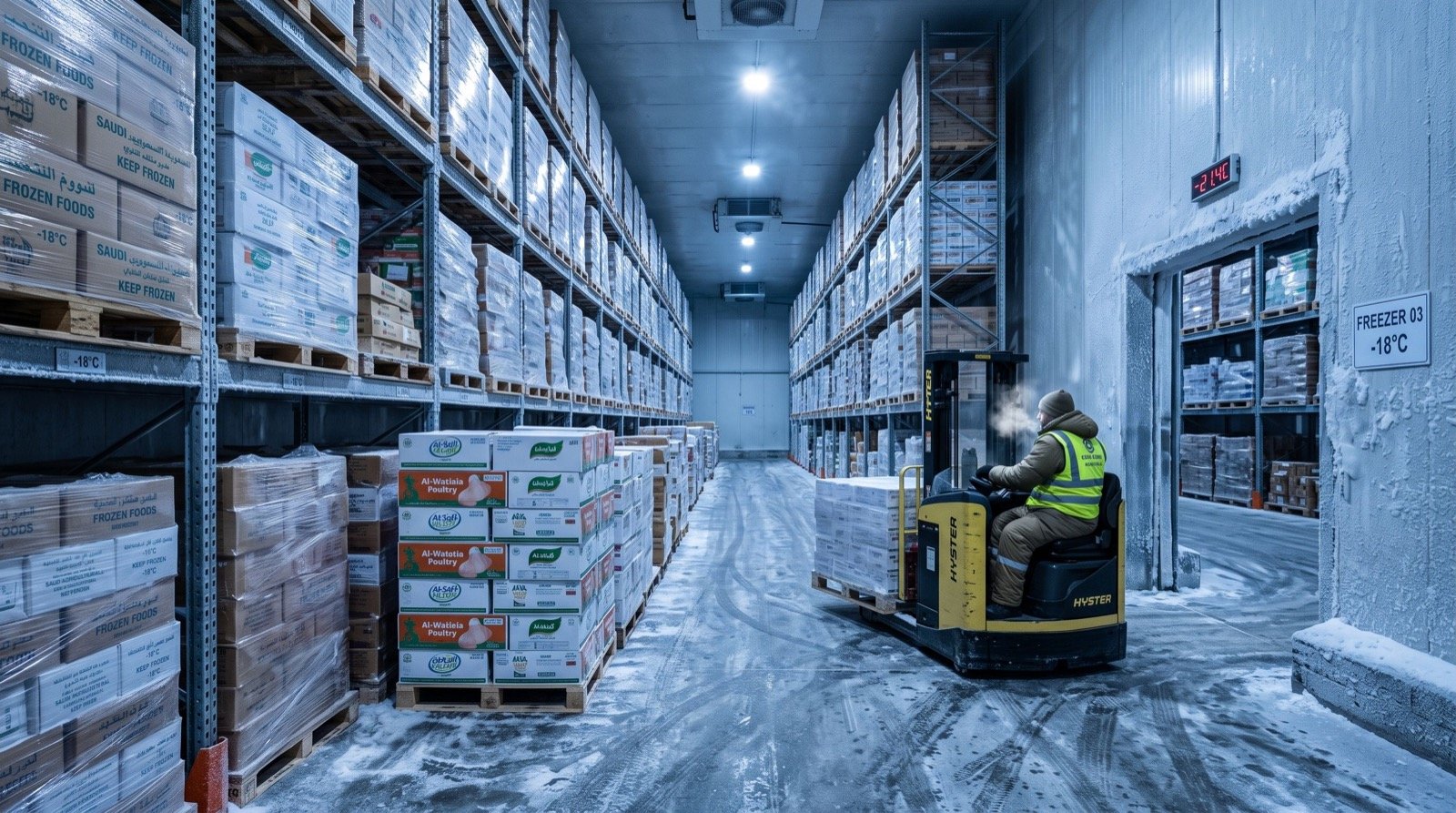
Dry storage means non-refrigerated warehousing with active control of humidity, pests, and heat. Across the Kingdom’s varied climate, from humid coasts to the arid interior, the best providers tailor construction and systems to the local environment.
Modern Dry Storage solutions in Saudi Arabia typically bundle racking, barcode inventory tracking, 24/7 security, loading bays, and value-added services such as pick-and-pack. You store goods that do not need chilling but still demand protection: packaged food, textiles, electronics, spare parts, and household products.
Core features to expect
- Climate-aware insulation and ventilation
- Pallet racking and clearly mapped bay locations
- Pest control and routine hygiene inspections
- CCTV, access control, and fire suppression
- Inventory software with real-time stock visibility
Special case: safe storage for cleaning supplies
Not all dry goods are equal. Detergents, disinfectants, and industrial cleaners are classed as chemicals and need extra care: separation from food, spill containment, ventilation, and correct labelling. Storing them beside groceries is both unsafe and non-compliant.
Dedicated Storage for Cleaning Supplies keeps chemicals segregated, upright, and ventilated, protecting both your stock and your workers. If you distribute cleaning products alongside other lines, insist your provider can zone the warehouse accordingly.
Hygiene-sensitive sectors should also verify their partner follows the guidance of the Saudi Food and Drug Authority, which sets rules for the safe handling and separation of consumer chemicals and food products.
How to compare dry storage providers
Price alone is a trap. Use the comparison table to weigh what really matters when shortlisting facilities anywhere in the Kingdom.
| Factor | What to check | Why it matters |
|---|---|---|
| Location | Near ports, ring roads, your customers | Cuts freight time and cost |
| Climate control | Humidity and temperature logs | Prevents moisture and heat damage |
| Flexibility | Monthly and seasonal terms | Matches cost to real demand |
| Segregation | Separate zones for chemicals | Safety and compliance |
| Technology | Barcode or RFID tracking | Accurate, auditable stock |
Partnering with reputable service experts who respond quickly to queries makes a real difference when a shipment is delayed or a stock count looks off. Responsiveness is a feature, not a luxury.
Why 2026 is a strong time to upgrade
Saudi Arabia is investing heavily in logistics as it works to become a global trade hub under the national Vision 2030 program. New logistics zones, better road and port links, and a wave of modern warehouse construction mean 2026 tenants enjoy more choice and stronger negotiating positions than ever.
That translates into shorter leases, better-equipped units, and bundled services at competitive rates. If your current storage is ageing or inflexible, this is the year to upgrade.
An insider tip on segregation audits
Before signing, walk the warehouse floor and ask to see where cleaning chemicals are currently stored relative to food and textiles. A provider that cannot show clear physical separation today will not create it for you tomorrow. This five-minute check has steered several clients away from compliance headaches.
Steps to onboard smoothly
- Document your full SKU list with weights, dimensions, and handling notes.
- Flag any chemicals or hazardous lines for segregated zones.
- Agree labelling standards in Arabic and English.
- Confirm inbound scheduling and insurance coverage.
- Run a small trial batch before migrating full inventory.
Regional considerations across the Kingdom
Saudi Arabia is geographically vast, and the right dry storage setup shifts with location. Coastal cities like Jeddah and Dammam battle humidity and salt air, demanding stronger anti-moisture systems. The central region around Riyadh contends more with heat, favouring heavy insulation and ventilation. Matching the facility to its climate is the first rule of safe inland or coastal warehousing.
Distribution strategy matters just as much. Many national brands now run a hub-and-spoke model, with a large central warehouse feeding smaller regional nodes close to customers. This keeps delivery times short across a country where cities can be hundreds of kilometres apart, and it spreads risk so one disruption cannot halt your entire supply chain.
Before you commit to any region, map where your orders actually originate. Storing stock near demand, rather than near your head office out of habit, is one of the simplest ways to cut freight cost and improve service in 2026.
Compliance and safety you should never skip
Professional storage is also about staying on the right side of regulation. Fire safety systems, clear hazardous-goods labelling, and proper ventilation are not optional extras; they protect your people, your stock, and your licence to trade.
- Confirm fire suppression and clearly marked emergency exits
- Verify hazardous and chemical lines are stored per official guidance
- Check that staff are trained in spill response and safe handling
- Ensure goods-in-storage insurance covers your full stock value
A provider that treats compliance as a selling point rather than a burden is usually the one that will protect your business when something goes wrong.
Frequently Asked Questions
What are the best dry storage solutions in Saudi Arabia for small businesses?
Shared, shelf-level storage with monthly terms suits small sellers. You pay only for the space you use and can scale up during peak seasons without a long commitment.
Can I store cleaning chemicals with my other products?
No. Cleaning chemicals must be kept in segregated, ventilated zones away from food and textiles to meet safety rules and prevent contamination or damage.
How do I know a facility controls humidity properly?
Ask for recent humidity and temperature logs and inspect the building’s insulation and ventilation. Reputable providers share this data willingly.
Are flexible contracts really available in 2026?
Yes. Thanks to expanding capacity across the Kingdom, most modern operators now offer monthly and seasonal terms rather than rigid long leases.
Conclusion
Choosing the right dry storage solutions in Saudi Arabia comes down to fit: the correct climate control for your goods, proper segregation for chemicals, flexible terms for your cash flow, and a responsive team behind it all. Use this guide, run a trial batch, and verify segregation before you commit. Do that in 2026 and your inventory stays safe, compliant, and ready to move the moment demand calls.