How to Choose a Pooper Scooper in 2026: Types Compared
If you have ever stood in a store aisle wondering how to choose a pooper scooper, you are not alone. There are jaw models, rake-and-tray sets, spring-loaded clamps, and long-handle designs, and each one suits a different yard, dog, and back. Picking the wrong style means bending too far, missing waste, or fighting a tool that jams on grass.
This 2026 comparison breaks down every major pooper scooper type so you can match the design to your real situation. I have tested most of these across gravel, thick lawn, and patio surfaces, and the differences are bigger than the price tags suggest.
The main pooper scooper types explained
Before comparing brands, understand the mechanical categories. Almost every product on the market is a variation of four core designs, and knowing them makes the choice obvious.
- Jaw / clamshell: two hinged scoops that close around waste; great on grass and hard ground.
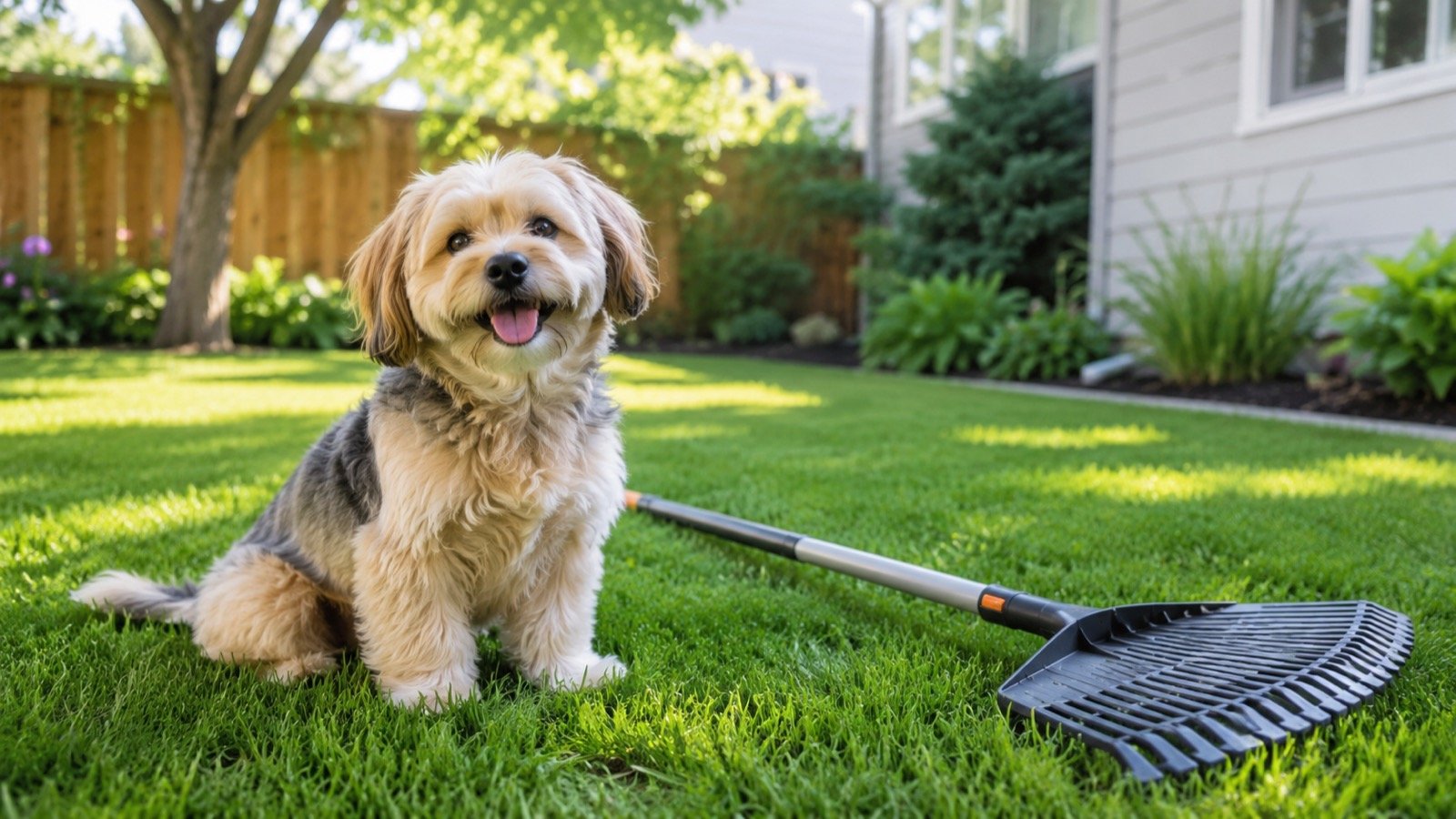
- Rake and tray: a bin plus a separate rake; strong on lawns but a two-hand job.
- Spring-loaded clamp: squeeze-handle pickup, quick but limited on soft stool.
- Long-handle bagging designs: reach-and-drop tools built to hold a bag while you scoop.
A well-built Pooper scooper in any of these categories should feel balanced, clean easily, and let you work without kneeling. If it fails those three tests, it will end up unused in the garage.
Which pooper scooper is easiest on your back?
For anyone with knee or back trouble, handle length is the single most important spec. A long-handle jaw or bagging design lets you stand upright, which drastically reduces strain during daily cleanup. Short-handled clamps are cheaper but force you to stoop, and that discomfort is why so many owners quit using them.
Brand designs versus specialist tools
Familiar retail brands offer solid entry-level options. An Arm and Hammer Pooper Scooper style jaw tool, for instance, adds baking-soda odor control and a simple squeeze action that new owners like. These are dependable for small yards and occasional use.
Specialist long-handle tools, on the other hand, prioritise reach, jaw strength, and bag integration. If you clean a large lawn daily or manage several dogs, the specialist route usually pays off in speed and durability. Think of it the way you would rely on reliable local experts for a big job: the purpose-built option handles volume that a general tool cannot.
Comparison table: pooper scooper designs in 2026
| Design | Best surface | Back-friendly | One-handed | Cleaning ease |
|---|---|---|---|---|
| Jaw / clamshell | Grass, concrete | Yes (long handle) | Yes | Easy, rinse & dry |
| Rake and tray | Thick lawn | Moderate | No | Two pieces to clean |
| Spring-loaded clamp | Firm stool | Depends on handle | Yes | Easy |
| Long-handle bagging | All surfaces | Excellent | Yes | Bag catches mess |
How to choose the right one for your situation
Match the tool to your yard, your dog, and your body. Use this quick decision sequence.
- Measure your typical cleanup surface: lawn, gravel, patio, or mixed.
- Assess your mobility: prioritise long handles if bending is painful.
- Count your dogs: more dogs means you need jaw strength and capacity.
- Decide on bagging: choose a design that holds a bag if you hate transferring waste.
- Check cleaning: pick materials that rinse clean and resist odor retention.
The American Veterinary Medical Association reminds owners that consistent waste removal is part of responsible pet care and community hygiene, so choose a tool you will actually use every day rather than the flashiest one.
Are metal or plastic scoopers better?
Metal jaws and rakes last longer, resist warping in sun, and bite through thick grass, but they cost more and can scrape delicate surfaces. Plastic is lighter and cheaper yet can crack in cold or wear at the hinge. For daily heavy use, metal wins; for light, occasional cleanup, quality plastic is fine.
Common mistakes when buying a scooper
- Choosing the cheapest tool, then abandoning it because it hurts your back.
- Ignoring surface type and buying a flat scoop for thick lawn.
- Overlooking cleaning, so the tool stinks after a week.
- Forgetting bag compatibility and ending up with a messy transfer step.
Budget versus long-term value
The cheapest scooper rarely stays the cheapest. A flimsy tool that cracks after one cold winter or seizes at the hinge gets replaced within a season, and those small repurchases add up fast. Buying once, at a sensible mid-range price, almost always costs less over three years than chasing the lowest sticker price each spring.
Value also includes the hidden cost of frustration. A tool you dread using leads to skipped cleanups, longer backlogs, and eventually an unusable yard. When the scooper feels light, upright, and clean, you use it daily, and that consistency is worth far more than the few dollars saved on a bargain model.
Think about warranty and replacement parts too. A scooper from a maker that sells spare jaws, springs, or handles can last many years, while a sealed no-parts unit becomes landfill the moment one component fails. In 2026, repairability is a genuine buying factor, not an afterthought, and it separates a throwaway purchase from a long-term tool.
Finally, weigh how the tool fits your storage and disposal habits. A design that stands upright in a corner and drops waste straight into a bag saves seconds on every round, and those seconds compound into a routine you actually keep. That daily ease is the real return on a slightly higher upfront spend.
Frequently Asked Questions
What is the best pooper scooper type for a big lawn?
A long-handle jaw or bagging design is best for large lawns because it combines reach, strong grip on grass, and one-handed use. Rake-and-tray sets also work well on thick turf, but they require two hands and more cleaning afterwards.
Is a spring-loaded scooper worth it?
Spring-loaded clamps are quick and light, which suits firm stool on hard surfaces. They struggle with soft waste and soggy grass, so pair one with bags and reserve it for tidy pickups rather than heavy or wet conditions.
How do I keep my scooper from smelling?
Rinse it after every use, dry it in the sun, and choose materials that do not absorb odor. Baking-soda infused models and smooth metal both resist smell better than porous or textured plastic that traps residue.
Do I still need bags with a scooper?
Usually yes. Most designs move waste to a bin or bag rather than storing it, so a supply of strong pickup bags keeps disposal clean. Bagging-style scoopers streamline this by holding the bag open while you scoop.
Conclusion
Learning how to choose a pooper scooper comes down to three questions: what surface, whose back, and how many dogs. Match the design to those answers and cleanup stops being a fight. Whether you prefer a familiar brand jaw tool or a purpose-built long-handle model, buy the one you will use daily. Compare the options today and pick the pooper scooper that finally makes yard duty quick, upright, and mess-free.