
High Rise Plots in Rawalpindi: Risk, Reward, and the 2026 Developer’s View
Rawalpindi is quietly becoming a vertical city. As the twin-cities population climbs and horizontal land near key corridors dries up, high rise plots in Rawalpindi have turned into one of the most talked-about asset classes of 2026. But vertical development is not a shortcut to easy money. It is a business with real upside and very real risk.
This article takes the developer’s perspective. We will map where the profit comes from, where projects go wrong, and how a first-time developer can enter the space without getting burned.
Where the Money Actually Comes From in Vertical Projects
The magic of a high rise plot is simple arithmetic: you buy one footprint and sell it many times as stacked floors. A single parcel can generate a dozen or more saleable units.
That leverage cuts both ways. High covered area means high construction spend, so margins live or die on your sale velocity and your cost control. Understanding the revenue mechanics before you buy is the whole game.
- Unit multiplication: one plot becomes many apartments or offices.
- Presale cash flow: early bookings can fund later construction.
- Rental holdback: keeping a few units builds long-term income.
- Mixed-use uplift: retail on the ground floor lifts overall yield.
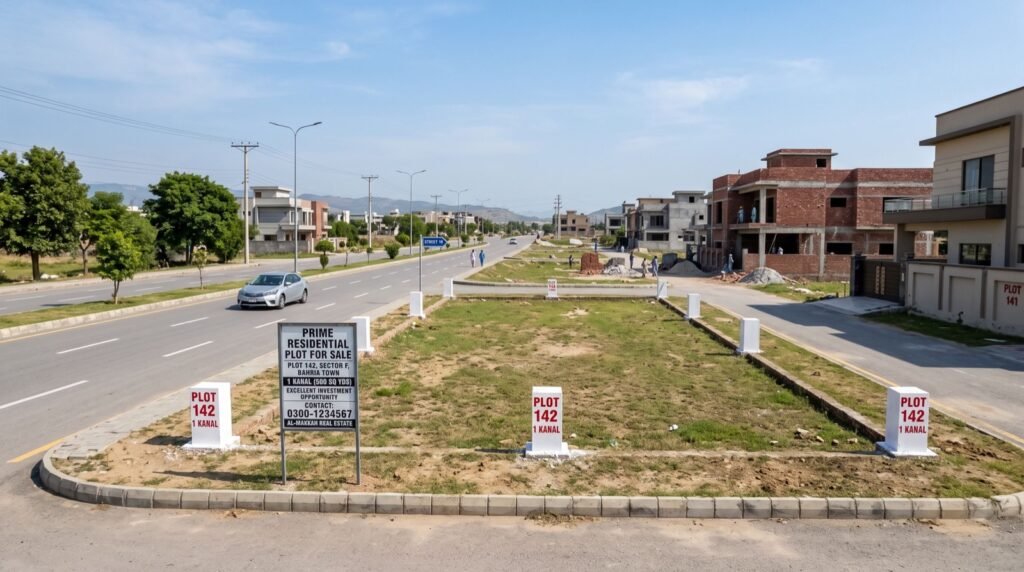
Serviced parcels such as High Rise Plots in Rawalpindi located along the airport and motorway corridors attract developers because the built-in demand shortens the sales cycle considerably.
The Risks Nobody Puts in the Brochure
Renders sell dreams; reality sells timelines and approvals. Most failed vertical projects stumble on the same avoidable issues.
The four failure points to watch
- Approval gaps: building above the sanctioned height triggers costly disputes.
- Cash-flow crunch: underestimating construction inflation stalls the project mid-build.
- Slow absorption: too many similar units in one corridor depress prices.
- Weak paperwork: an unclear title poisons every downstream sale.
The single most useful safeguard is verifying zoning and height limits with the governing body first. Planning approvals for many Rawalpindi schemes fall under the Rawalpindi Development Authority, and confirming your parcel’s status there before purchase removes the biggest risk on the list.
High Rise vs Commercial Ground Plots: A 2026 Comparison
Not every investor should chase a tower. Sometimes a ground-level commercial parcel is the wiser play. The table below frames the trade-offs.
| Factor | High Rise Plot | Commercial Ground Plot |
|---|---|---|
| Capital required | High, tied to floors | Moderate, single build |
| Revenue model | Many units, phased sales | Shops or offices, steady rent |
| Execution complexity | High engineering and approvals | Simpler bylaws |
| Time to income | Longer, milestone-based | Faster on completion |
| Ideal owner | Developers with pooled capital | Rental-focused investors |
For investors who want quicker, simpler exposure, well-placed 4 Marla Commercial Plots can deliver reliable retail rental income without the engineering headache of a full tower.
How a First-Time Developer Should Enter
You do not need to build a skyscraper on day one. The smartest entrants scale their ambition to their experience and their balance sheet.
A practical route is to start with a low-rise, well-approved parcel, learn the approval and sales cycle, then graduate to taller projects. Partnering with a seasoned builder on your first vertical project buys you knowledge you cannot get from a spreadsheet.
- Model three scenarios: conservative, expected, and stressed absorption.
- Lock construction contracts to cap inflation exposure where possible.
- Sequence approvals before spending on design detailing.
- Keep a contingency reserve of at least ten percent of build cost.
Bringing in dependable specialists during due diligence often pays for itself, because they flag zoning and title issues long before they become expensive.
Reading the 2026 Rawalpindi Market
Through 2025 and into 2026, demand concentrated around connectivity. Parcels near interchanges, the airport, and established commercial spines held value best, while isolated files lagged.
An insight worth internalising: in a maturing market, execution quality beats location hype. A modest tower delivered on time in a good block outperforms an ambitious one that stalls in a better block. Buyers in 2026 pay for certainty.
Structuring the Capital Stack for a Tower
Vertical development lives or dies on how you assemble money. Getting the capital stack right is as important as choosing the plot itself.
Most successful developers blend three sources: their own equity, presale bookings, and staged partner contributions. The trick is sequencing them so the project never runs dry between milestones.
- Seed equity: fund the plot and initial approvals from owned capital.
- Presales: release early units at a discount to fund the grey structure.
- Staged partner draws: bring in partner funds against verified milestones.
- Reserve: ringfence a contingency that no phase is allowed to touch.
Never let presale money get spent faster than construction progresses. When bookings outrun the build, buyers lose confidence, and a confidence crisis in a vertical project is almost impossible to reverse.
Building a Sales Strategy That Actually Absorbs Units
You can build the finest tower in the corridor and still fail if the units sit unsold. Absorption is a strategy, not an afterthought.
- Price the first tranche to move quickly and create momentum.
- Differentiate units by view, floor, and layout rather than pricing them flat.
- Target the real end-user: young professionals and small families.
- Show real progress on site, because visible construction closes sales.
A concrete tip from developers who have finished projects: a half-built tower with steady on-site activity sells better than a fully rendered promise. Buyers in 2026 trust concrete over CGI, so let your construction do the marketing.
Why Corridor Choice Decides Your Margin
Two identical towers in different corridors can return wildly different profits. The parcel you buy sets a ceiling on what your execution can achieve, so corridor selection is a margin decision, not just a location one.
Corridors near the airport, motorway interchanges, and established commercial spines carry a built-in demand cushion. That cushion shortens your sales cycle, and a shorter cycle protects your cash flow, which is the lifeblood of any vertical build. An extra month of unsold inventory is an extra month of financing pressure.
Before committing, drive the corridor at different times and count the active construction and occupied buildings around your parcel. A living, growing corridor validates demand far better than any feasibility report, while a stagnant one signals you will be selling into a headwind.
Frequently Asked Questions
Are high rise plots in Rawalpindi profitable in 2026?
They can be, when the parcel has clear high rise zoning, real ground development, and sits in a corridor with genuine demand. Profit depends far more on execution and cost control than on the plot alone, so treat it as a business.
What approvals does a high rise project need?
You need sanctioned land use, an approved height and floor plan, and structural plus fire-safety clearances from the governing authority. Verify these directly with the issuing body rather than trusting a seller’s copies.
Is a commercial plot safer than a high rise plot?
Generally yes, in the sense that it needs less capital and simpler approvals and produces income faster. The trade-off is lower total upside. Match the choice to your capital, timeline, and appetite for complexity.
How do I avoid a stalled vertical project?
Budget realistically for construction inflation, keep a contingency reserve, sequence approvals before heavy spending, and avoid oversupplying one corridor. Most stalls come from cash-flow and approval gaps, both of which are preventable.
The Takeaway
High rise plots in Rawalpindi reward disciplined developers and punish gamblers. Confirm zoning, respect the numbers, and enter at a scale you can actually finance. Do that, and vertical development in a well-connected corridor can become one of the strongest wealth-building moves available in 2026.